.png?width=111&height=100&name=TEXAS-Phd_LOGO_58C76Y_purple_tpt%20(13).png)



Rethink Your Science Curriculum:
Time to Build Knowledge That Sticks
Want to Improve Your Science Instruction?
Empower Students to Study Real-World Phenomena
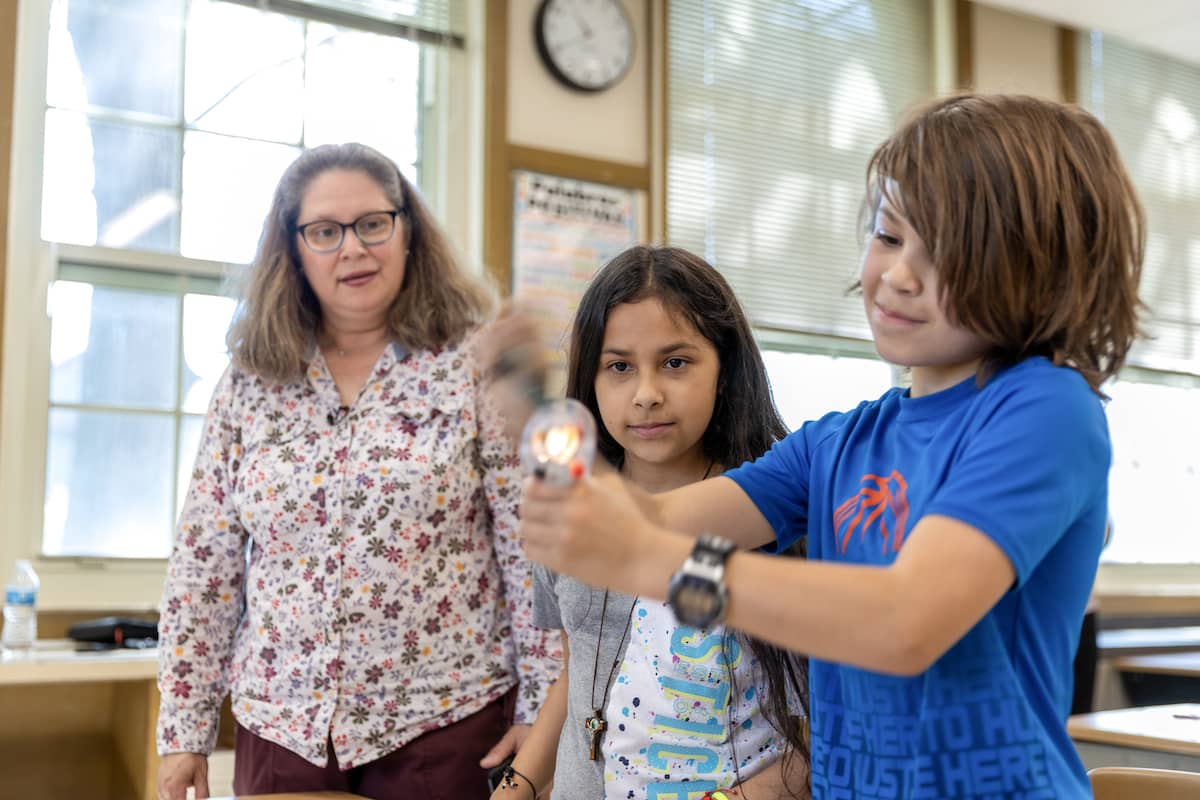
Students should be encouraged to investigate, gather evidence, and engage in meaningful discussions with their peers about authentic phenomena. They deserve a chance to expand their knowledge of the world around them by thinking and acting like real scientists.

Insights From Experts:
“If we start teaching science as a coherent story instead of a series of discrete facts, terms, and formulas, students will respond. And by the time elementary NAEP scores are reported four years from now, we may have some good news to celebrate.”
—Pam Goodner, CAO Science
Dive into a Phenomenal Learning Experience
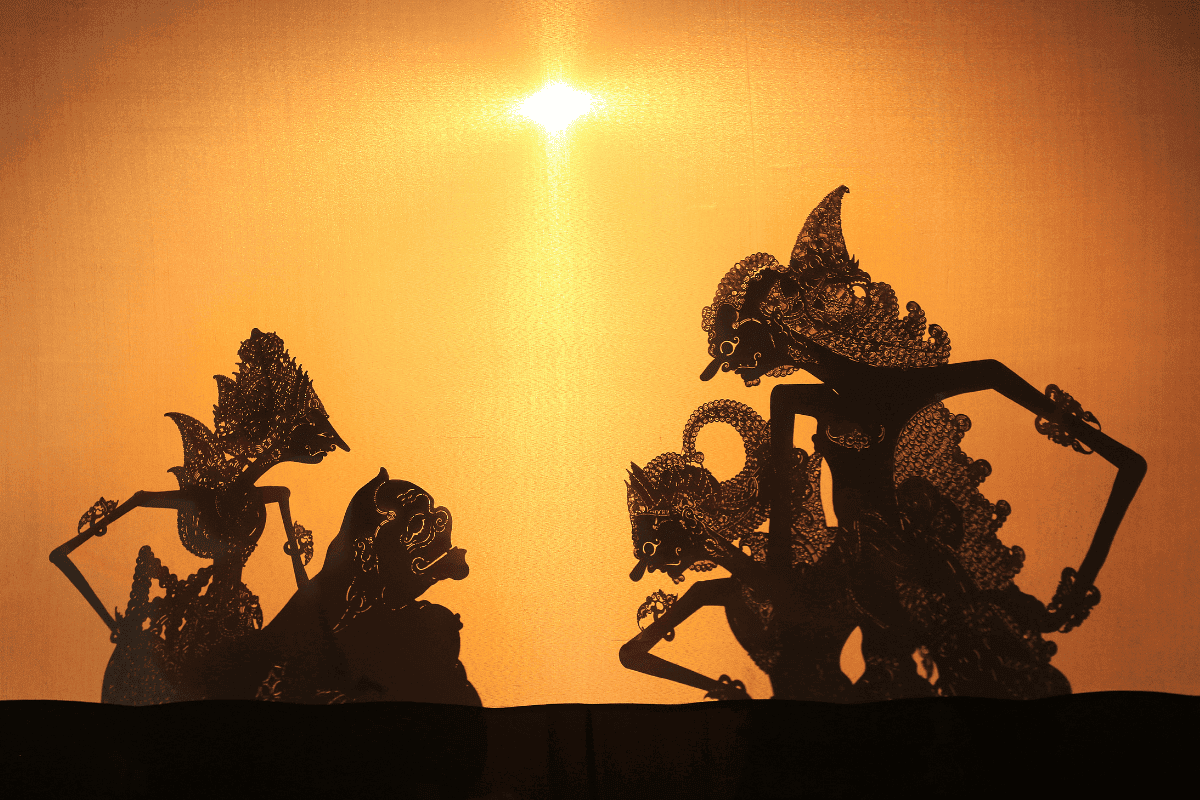
How do Indonesian puppeteers use light to bring their stories to life? Did light play a role in the disappearance of Amelia Earhart? Join us as we investigate these authentic phenomena and the concept of light to uncover how hands-on experiences in PhD Science Texas enable students to build knowledge across grade levels.
Embracing Student-Led Instruction
When students have a voice in their learning, they are more engaged, which leads to deeper understanding. When educators put their trust in students to take an active role in driving the learning, with appropriate teacher support, students will recognize the value and relevance of their learning. So how do educators ensure student-led learning remains content-rich and relevant?
Phenomenon-Based, Hands-On Instruction Builds Knowledge that Sticks
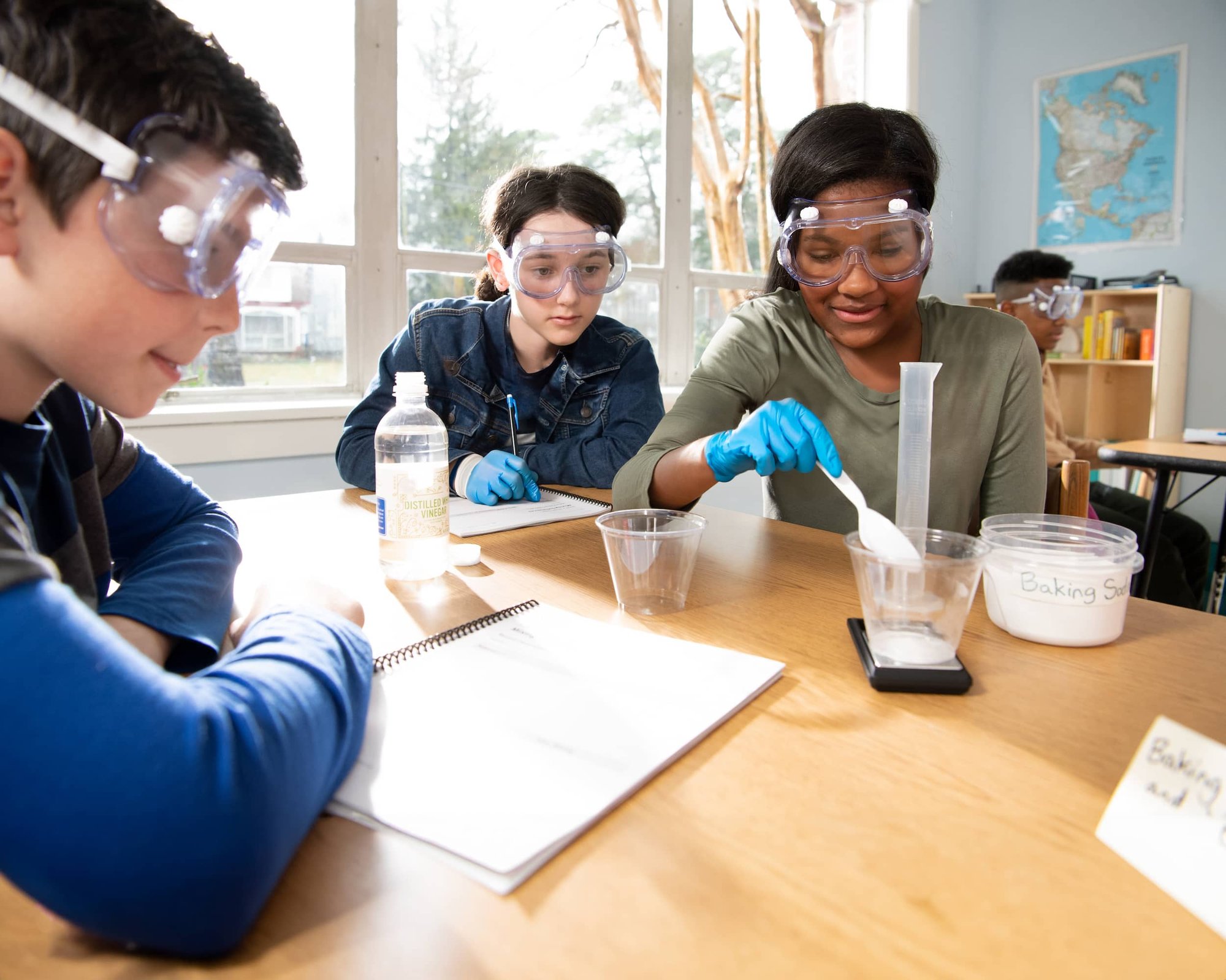
We know that new knowledge sticks best to existing knowledge; that is why PhD Science Texas uses authentic phenomena to connect scientific knowledge to everyday life. Through hands-on learning, observing, reading, writing, investigating, and analyzing, students build enduring knowledge, rather than just memorizing facts they may quickly forget.
Discover the Excitement of a PhD Science Texas Classroom
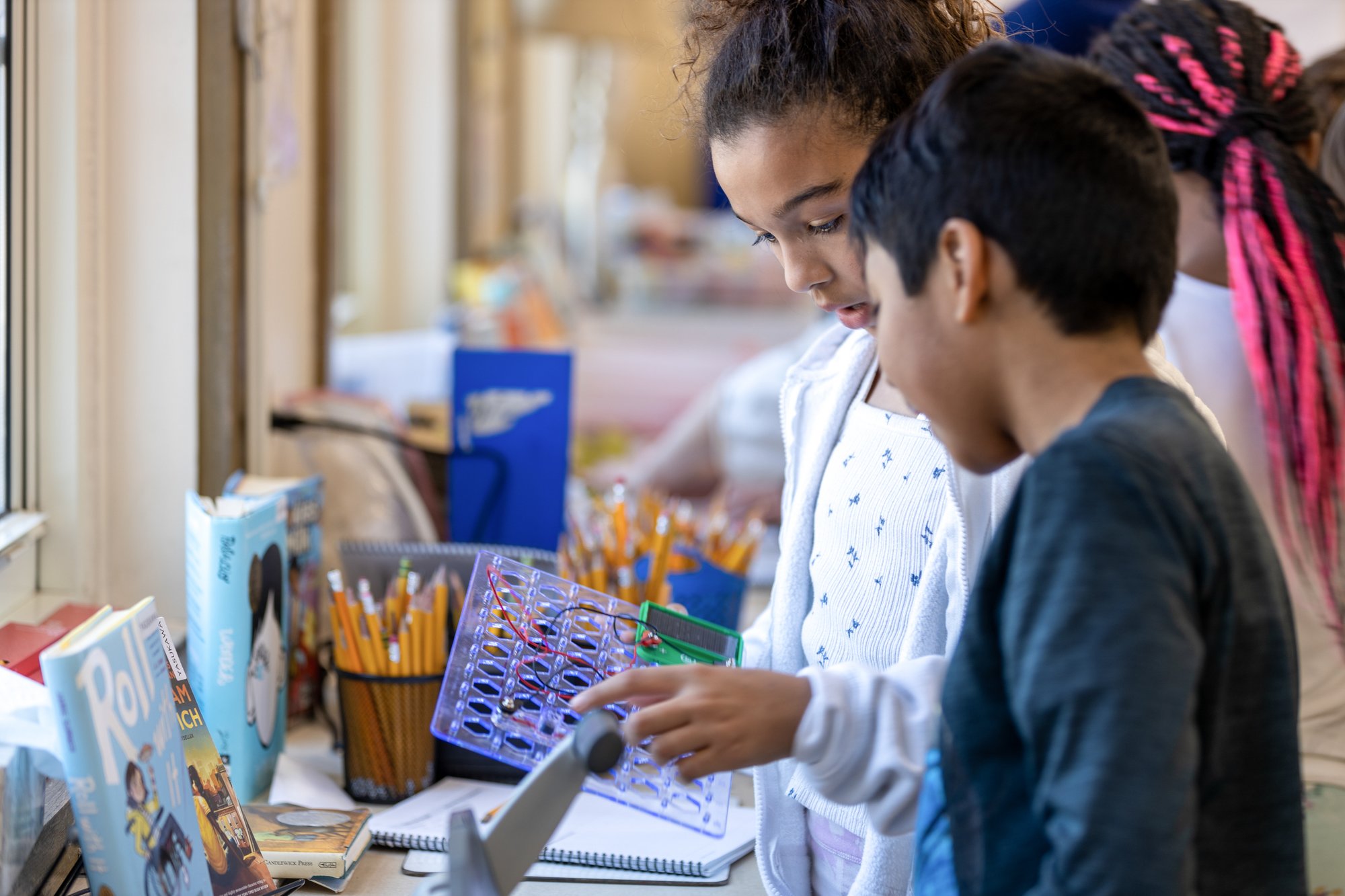
Experience the thrill of PhD Science Texas as students engage in hands-on activities and have peer-to-peer discussions about their discoveries. Get a peak directly into the classroom, and understand the obstacles, joys, and challenges of the shift to student-driven instruction.